This is a new site built for Discover Learn & Grow Early Learning Center. It's free.

Claim your free website

Use your center's contact email. We'll email you a link to confirm ownership.No card required. Terms · Privacy

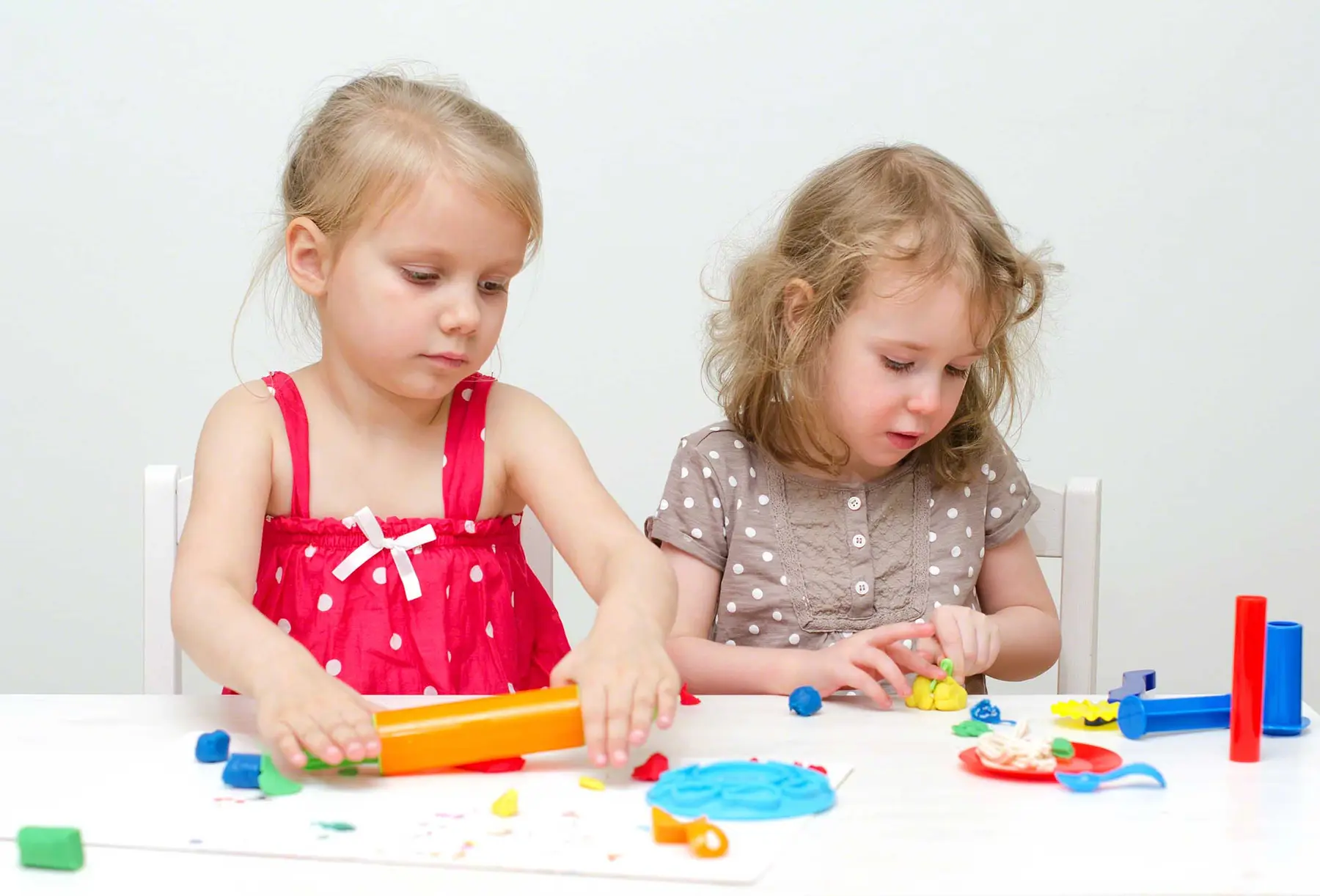
Two young girls sit at a white table playing with colorful modeling clay and plastic tools.

An age journey for children ages 2 to 5

A day can change as children grow: younger children settle into rhythms, while older children take on more independence and complex questions.

Plan a visit

What changes as children grow

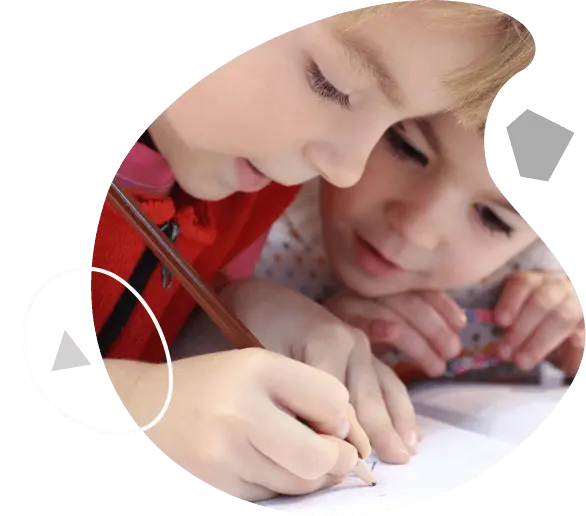
Two young children lean over a table as one holds a pencil and draws on paper while the other watches.
01

Settling in: the youngest days

For younger children in the 2–5 range, a day may center on songs, simple choices, movement, and a reassuring rhythm. Repeated cues—where belongings go, when hands are washed, and what happens before rest—help a child know what comes next. Families can ask what a typical morning looks like and what to pack.

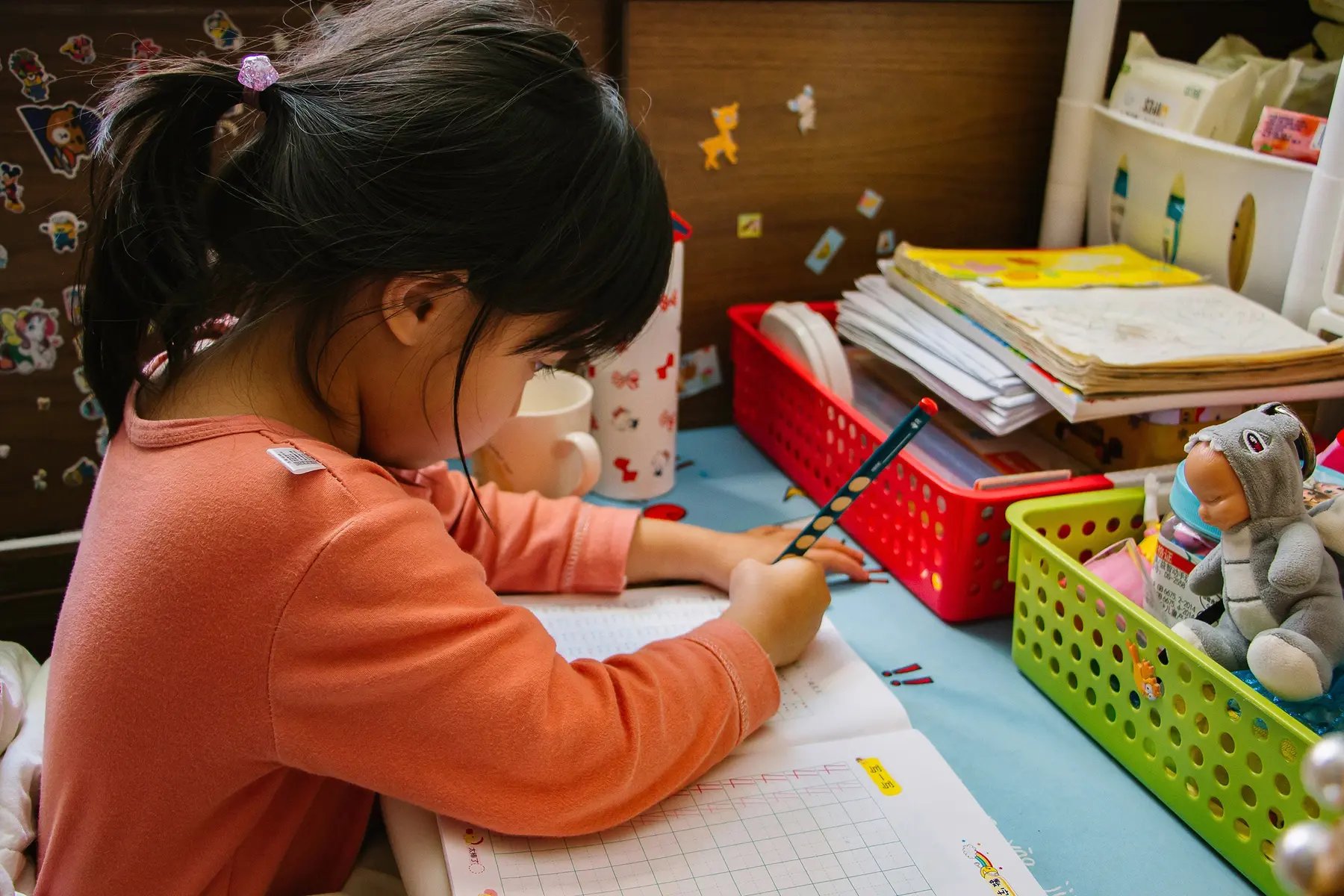
A girl in an orange long-sleeve shirt writes in a grid notebook at a desk with a red and a green storage basket, a plush toy, and stacked papers.
02

Growing independence

As children become more independent, hands-on science can invite them to mix, pour, sort, and describe what they notice. Questions and simple materials give them room to test ideas. Adults can add challenge without taking over: asking what might happen, offering another tool, or giving a child time to try again.

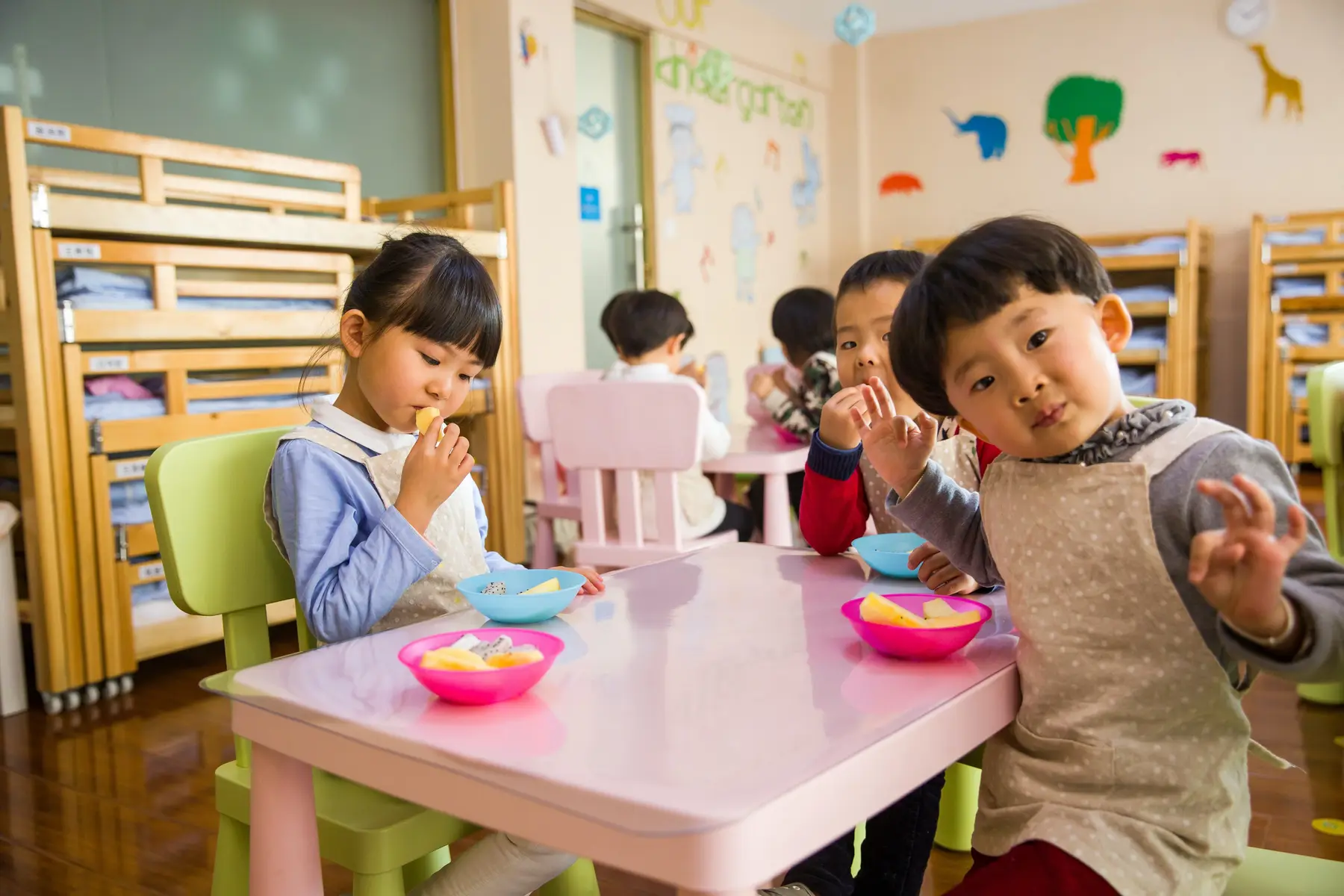
Children sit at a pink table eating fruit from colorful bowls in a room with wooden bunk beds and animal wall decorations.
03

Ready for what comes next

Older preschoolers may take on more complex movement, turn-taking, storytelling, and problem-solving. They may plan a structure before building it, explain a rule to a friend, or stay with a question through several attempts. On a visit, ask how activities flex for each child's next step.

A day in the 2–5 range

Across the 2–5 range, a day often has a dependable shape without looking identical for every child. Arrival gives children time to put away belongings, reconnect with an adult, and choose how to enter the room. Some children go straight to a familiar activity; others watch for a while before joining. Both are ordinary ways to begin.

The morning usually brings a long stretch of play with a few small-group invitations woven through it. Children may build, draw, listen to a story, investigate a material, or practice a song. A useful room gives them time to stay with an idea while an adult helps with language, turn-taking, or a next step. The point is not to hurry every child through the same task.

Meals and rest create a slower middle to the day. Ask how children are supported when they are hungry, tired, or ready to move before the group is. Later, movement and outdoor time may offer a change of pace, followed by quieter choices as pickup approaches. A calm handoff gives families a chance to hear one concrete detail and helps children connect the two parts of their day.

When you visit, compare the stated rhythm with what you actually see: are transitions explained, can children find materials, and is there room for different energy levels? Those details often tell you more about fit than a list of activities.

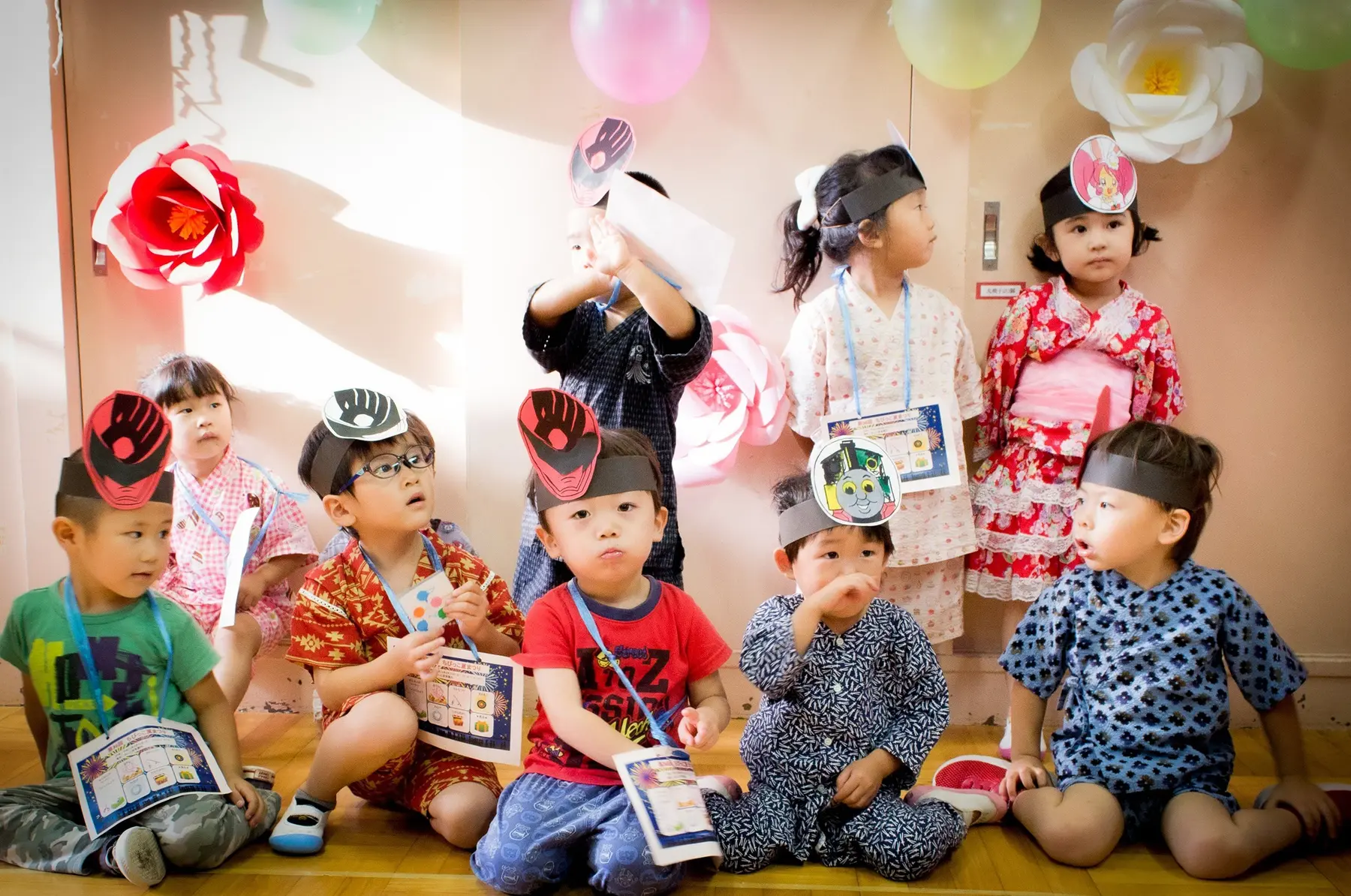
A group gathering in the school gathering

Not sure which room fits?

Tell us your child's age and we will walk you through it.

Request a visit
DL
Hi! I can help with Discover Learn & Grow Early Learning Center questions.
How can I help you today?
DL
Discover Learn & Grow Early Learning Center Assistant
Ask about tours, programs, and enrollment.
Hi! I can help with Discover Learn & Grow Early Learning Center questions.
Powered by EnrollIQ