Progressive Education in Bristol, Where Young Minds Flourish
A center where each child is valued and supported in their growth.
Plan a visitHow we see children
We believe children arrive with their own strengths, interests, and ways of making sense of the world. A responsive early-learning setting gives those differences room while supporting intellectual, social, and emotional growth. Play, conversation, movement, and hands-on exploration can help children become more capable and resourceful over time.
A child may choose materials from a reachable shelf, join a small group, or move between indoor and outdoor play. Adults can stay close, notice what captures a child's attention, and ask questions that extend the experience. This approach treats interaction and socialization as part of learning, while keeping the day warm, safe, and enjoyable.
What you notice in practice
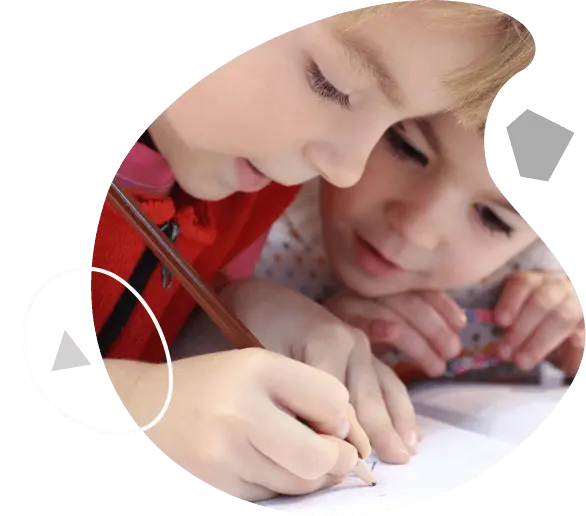
In a play-based setting, adults get down at eye level and follow a child's lead without giving up the chance to guide. They join play, name what they notice, and ask questions that keep ideas going. A small group can make it easier to hear each child, support turn-taking, and offer a next step without rushing.
Rooms work best when children can see what is available and return materials when they are finished. Low, open storage, clear pathways, a place for quieter play, and space to gather help children make choices and read the room. A steady rhythm gives the day shape while leaving room for a child who needs more time, movement, or reassurance.
On a visit, notice whether adults make space for children to try before stepping in. Watch how a disagreement is handled, whether children can ask for help, and whether activities can be adjusted for different interests and abilities. Those small interactions show how a setting turns its values into an ordinary day.
How we work with families
Families know the small details that help a child feel secure. Sharing what happened at pickup, asking a question by note or conversation, and comparing observations can create a steadier connection between home and care.
A new setting takes time to learn. Children may stay close to a familiar adult, watch before joining, or need a predictable goodbye. A visit before the first day gives families a chance to see the rooms, ask how the day flows, and think through what support will make the first weeks smoother. The goal is a shared, unhurried start that respects each child's pace.
How play supports school readiness
School readiness is broader than recognizing letters or counting to a certain number. In the preschool years, children are also building the habits that help them participate in a group: listening to a short direction, explaining an idea, waiting for a turn, asking for help, and returning to a task after frustration. A play-based day can give those skills a real reason to matter.
A child who plans a pretend shop is using language, memory, and flexible thinking. A child who works with a friend on a block structure is practicing negotiation and spatial reasoning. Painting, sorting, singing, moving, and telling stories give children repeated chances to strengthen coordination, vocabulary, attention, and confidence. Adults can support this growth by offering materials, modeling words, and giving children time to solve manageable problems themselves.
When families compare settings, ask how the day balances child-led exploration with invitations to try something new. Look for chances to talk, move, concentrate, cooperate, and care for belongings. These are practical signs that a setting is preparing children for the next environment without turning early childhood into a worksheet.